Spotting Dangerous Alcohol Withdrawal at Home
Alcohol withdrawal can be scary to watch at home. A loved one decides to stop drinking; it is a weekend or holiday, and a few hours later they are shaking, sweating, and saying they feel "off." Family members end up asking the same question: Is this something we can watch, or do we need to call 911 right now?
Alcohol withdrawal happens when the body is used to alcohol and it is suddenly taken away. The brain has been working hard to balance out the alcohol, so when drinking stops, the nervous system can swing in the other direction and become overactive and unstable. For some people, this leads to mild symptoms. For others, it can turn into a true medical emergency.
Our goal with this guide is simple: help families know which symptoms mean "call 911" and which situations may be safer for a planned medical detox or treatment program. At Pennsylvania Recovery Center in Chester County, we talk every day with families who are trying to make this decision and need clear, calm guidance, not guesswork.
Understanding Alcohol Withdrawal and Why It Can Turn Deadly
When someone drinks heavily or often for a long time, the brain adjusts to the steady flow of alcohol. Alcohol slows brain activity, so the brain responds by speeding things up to keep a balance. When drinking suddenly stops, there is no alcohol to slow things down, but the brain is still in "sped up" mode. That is alcohol withdrawal.
Common early alcohol withdrawal symptoms can include:
- Anxiety or feeling "on edge"
- Tremors or shaking, especially in the hands
- Sweating, clammy skin, or fast heartbeat
- Nausea, vomiting, or poor appetite
- Trouble sleeping or nightmares
These often start within several hours after the last drink and can build over the first day. The most dangerous period is usually in the first 24 to 72 hours, when more serious symptoms can show up, such as seizures or a state called delirium tremens. Delirium tremens can include severe confusion, seeing or hearing things that are not there, and big changes in blood pressure, heartbeat, and body temperature.
Withdrawal is more likely to become dangerous when:
- The person has been drinking large amounts or drinking daily for a long time
- There is a past history of alcohol withdrawal seizures or delirium tremens
- The person is older or has heart, lung, or liver problems
- There are mental health concerns like depression, anxiety, or PTSD
- The person is also using other substances, such as benzodiazepines or opioids
Events like vacations, graduations, weddings, or long weekends sometimes lead people to say, "I am done, I am quitting today." That sudden stop can bring on heavy alcohol withdrawal, often at home and far from regular doctor visits.
Clear 911 Decision Points for Alcohol Withdrawal Emergencies
Some alcohol withdrawal symptoms should always be treated as an emergency. Do not wait, do not try to handle these at home, and do not assume the person can "sleep it off."
Call 911 right away if your loved one has:
- A seizure or jerking movements of the body that they cannot control
- Trouble waking up, or they will not respond to you
- Confusion, not knowing where they are, who you are, or what day it is
- Severe agitation, aggression, or talking in ways that do not make sense
- Chest pain or pressure
- Trouble breathing, very fast or very slow breathing
- A very high fever, hot skin, or soaking sweats with shaking
- A head injury or serious fall, especially if they hit their head
Delaying care in these moments can be dangerous. Driving someone in severe alcohol withdrawal to the ER on your own may put both of you at risk, especially if they are confused or aggressive, or may have another seizure on the way. Emergency responders can check vital signs, give oxygen, and start treatment on the scene if needed.
When you call 911, the dispatcher may ask:
- What symptoms you see and when they started
- How much and how often the person drinks
- Any known medical problems or medications
- If there was a fall, injury, or seizure
At the hospital, the team may give IV fluids, medications to calm the nervous system, and close monitoring of heart rate, blood pressure, breathing, and temperature. This is not punishment. It is about safety and giving the brain and body a controlled space to move through alcohol withdrawal.
When a Planned Medical Detox Is the Safer First Step
Not every person in alcohol withdrawal needs the ER, but that does not mean it is safe to do it alone at home. A medically supervised detox is often the right middle ground between "do nothing" and "call 911."
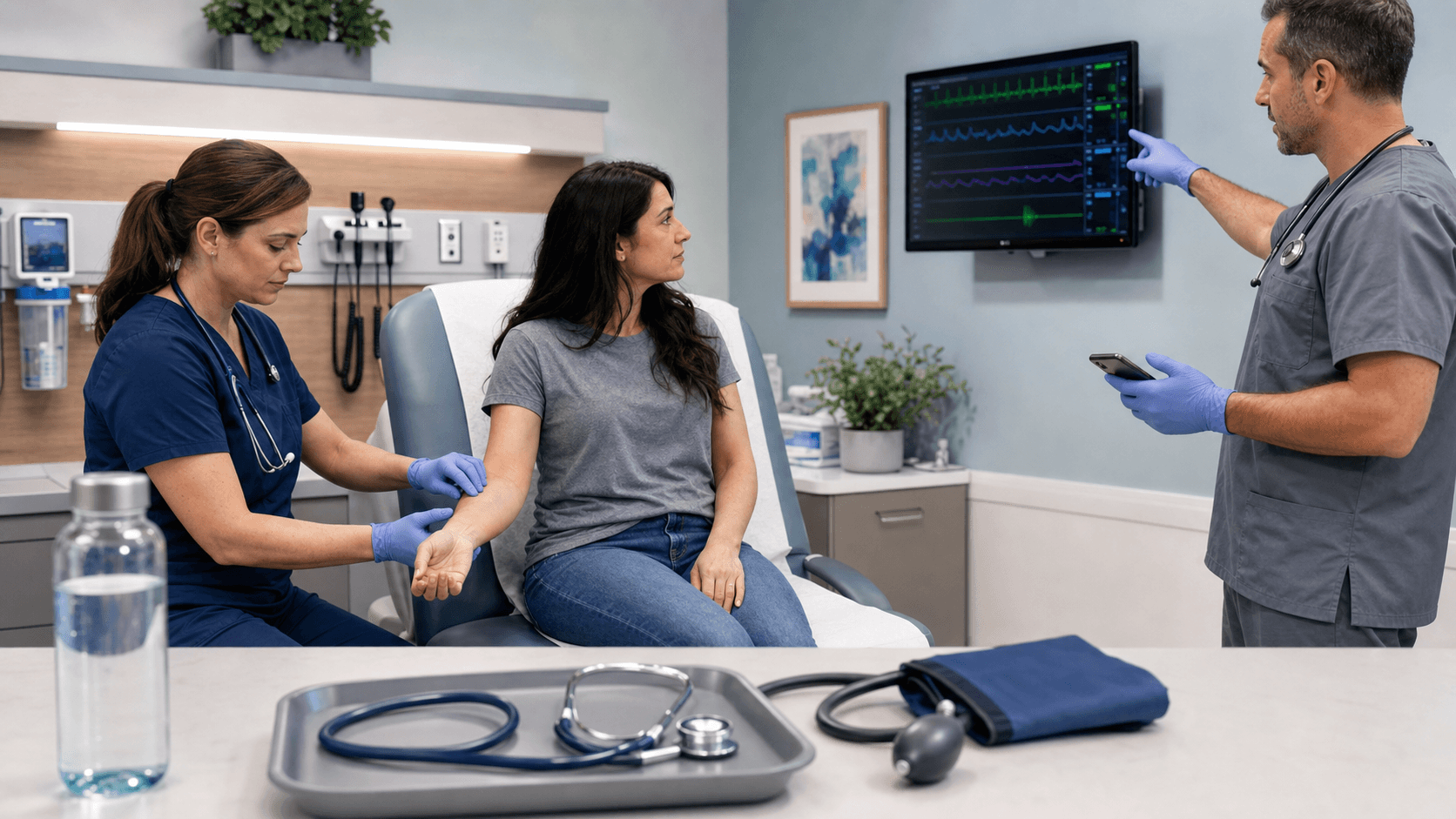
In a medical detox setting, the process usually includes:
- An initial assessment of drinking history, withdrawal symptoms, and health problems
- Regular checks of blood pressure, heart rate, temperature, and breathing
- Medication to ease symptoms and lower the risk of seizures and delirium tremens
- Supportive care, like fluids, rest, and a quiet, structured setting
This is very different from hospital-level emergency care. A good candidate for planned detox usually has:
- Mild to moderate withdrawal symptoms only
- Stable vital signs, like steady blood pressure and breathing
- No current seizures, hallucinations, or severe confusion
- Some safe support at home after detox, or a plan to step into treatment
At Pennsylvania Recovery Center, we help families sort this out before things get out of control. Our team can provide comprehensive assessments, referrals to trusted medical detox and rehab partners, and a plan for what comes after, such as PHP, IOP, outpatient care, psychiatric services, and recovery housing. Planning ahead, especially around high-risk times like long weekends and big family events, can lower the chance of a 911 emergency for alcohol withdrawal.
Making a Family Plan Before Alcohol Withdrawal Begins
The safest time to plan for alcohol withdrawal is before anyone stops drinking. This can be a hard conversation, but it can also turn a possible crisis into a managed medical process.
A family safety plan might include:
- Agreeing on a time to talk with a doctor or addiction professional about drinking
- Deciding who you will call first if your loved one starts to feel sick
- Writing down clear "call 911" rules and posting them where everyone can see
- Keeping a list of all medications, medical history, allergies, and drinking patterns
It is common for a person with alcohol use disorder to say, "I can do this on my own, I just need to sweat it out." You can stay supportive while still setting boundaries. For example, you might say you care too much to ignore serious symptoms or to watch them tough it out alone without medical help.
Family members also need care. Getting support for yourself, whether through counseling, a support group, or talking with trusted friends, can help you stay calm and clear when hard choices come up around alcohol withdrawal and early recovery.
Take the Next Safe Step Before It Becomes a Crisis
The main message we want to share is this: you do not have to guess about alcohol withdrawal at home. You do not have to wait until someone is having a seizure or cannot recognize you in order to act. There are clear warning signs that call for 911, and there are also many situations where a planned, medically supervised detox is the safer first move.
Pennsylvania Recovery Center is here as a local resource for families who feel stuck between "Is this bad enough for the ER?" and "Is it safe to wait?" Our team can talk through your loved one's drinking history, past withdrawal, medical needs, and support system, then help connect you with detox, rehab, PHP, IOP, outpatient care, psychiatric services, and recovery housing that fit your situation.
Take a Confident First Step Toward Safe Alcohol Detox
If you are worried about how to manage alcohol withdrawal, you do not have to figure it out on your own. At Pennsylvania Recovery Center, we provide medically supervised detox and personalized support to help you stay as safe and comfortable as possible. Talk with our team today so we can explain your options, answer your questions, and help you decide what comes next. If you are ready to move forward, please contact us to get started.